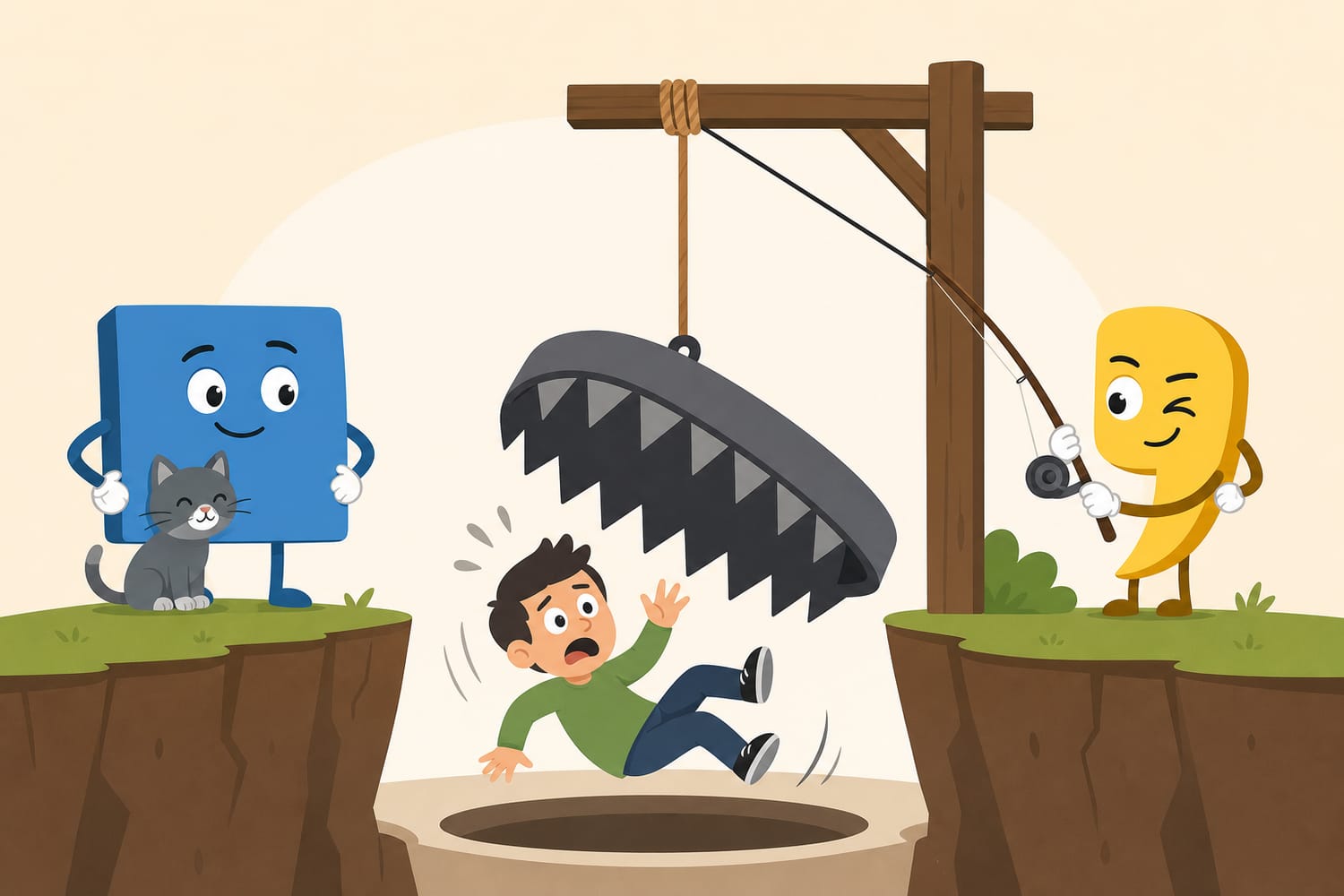
The Tiny Mark That Causes Big Trouble
Few grammar mistakes are as common, as sneaky, or as unfairly annoying as mixing up “its” and “it’s.” You can write a brilliant email, a thoughtful essay, or a poetic caption about your cat staring into the void, and then suddenly—there it is. The apostrophe trap.
Should it be:
The company changed its logo.
or:
The company changed it’s logo.
One looks right because apostrophes often show possession. But in this case, the apostrophe is a trickster in a tiny hat.
The correct sentence is:
The company changed its logo.
No apostrophe.
The main rule is simple:
- It’s = it is or it has
- Its = belonging to it
That’s it. Or, rather, that’s it.
Once you understand why the confusion happens, the difference becomes much easier to remember. Let’s untangle this famously tricky grammar pair once and for all.
The Quick Difference: “It’s” Means “It Is” or “It Has”
The word “it’s” is a contraction. A contraction is a shortened form of two words, with an apostrophe standing in for missing letters.
For example:
- don’t = do not
- can’t = cannot
- she’s = she is or she has
- they’re = they are
- it’s = it is or it has
So whenever you see “it’s,” you should be able to replace it with “it is” or “it has.”
Examples:
It’s raining.
It is raining.
Correct.
It’s been a long day.
It has been a long day.
Correct.
It’s hard to believe this tiny apostrophe causes so much chaos.
It is hard to believe this tiny apostrophe causes so much chaos.
Also correct. Emotionally difficult, perhaps, but grammatically correct.
Here’s the key test: if “it is” or “it has” works in the sentence, use “it’s.”
If it does not, do not use “it’s.”
“Its” Shows Possession Without an Apostrophe
Now for the part that feels a little backwards.
“Its” is a possessive pronoun. It shows that something belongs to, relates to, or is part of “it.”
Examples:
The dog wagged its tail.
The tail belongs to the dog.
The tree lost its leaves.
The leaves belong to the tree.
The phone needs its charger.
The charger is associated with the phone.
The museum is famous for its ancient statues.
The statues are associated with the museum.
Notice that “its” has no apostrophe, even though it shows possession.
This is where many people get tricked, because we’re used to apostrophes showing ownership:
- the dog’s bone
- Maria’s notebook
- the teacher’s desk
- the restaurant’s menu
So it feels natural to write:
The dog wagged it’s tail.
But that would mean:
The dog wagged it is tail.
And unless the dog is having a serious identity crisis, that doesn’t work.
The correct version is:
The dog wagged its tail.
Why Doesn’t Possessive “Its” Use an Apostrophe?
Excellent question. English, as usual, has wandered into the room wearing mismatched socks.
The reason “its” does not use an apostrophe is that it belongs to the same family as other possessive pronouns. These words show ownership without apostrophes:
- my
- your
- his
- her
- our
- their
- whose
- its
You would not write:
- hi’s book
- her’s coat
- our’s house
- their’s car
At least, you shouldn’t.
In the same way, you do not write “it’s tail” when you mean the tail belonging to it.
Think of “its” as a cousin of “his.” You wouldn’t add an apostrophe to “his,” so don’t add one to “its.”
Compare:
He lost his keys.
The robot lost its keys.
No apostrophes needed. Though if a robot is losing keys, we may have larger issues.
The Foolproof Test: Replace It
The best way to decide between “its” and “it’s” is to use the replacement test.
When you write “it’s,” pause and replace it with “it is” or “it has.”
If the sentence still makes sense, “it’s” is correct.
If the sentence becomes nonsense, use “its.”
Let’s try a few.
The cat licked it’s paw.
Test it:
The cat licked it is paw.
Nope. Unless this cat is doing avant-garde poetry, that sentence doesn’t work.
Correct:
The cat licked its paw.
Another one:
Its going to be a great day.
Test the opposite. Should this be “it’s”?
It is going to be a great day.
Yes. Correct:
It’s going to be a great day.
One more:
The car made it’s usual rattling noise.
Test:
The car made it is usual rattling noise.
No. Correct:
The car made its usual rattling noise.
The replacement test is quick, reliable, and far less painful than memorizing grammar terminology.
Common Examples That Trip People Up
Some sentences make this mistake especially tempting. Here are a few common trouble spots.
Incorrect:
The company updated it’s website.
Correct:
The company updated its website.
Why? The website belongs to or is associated with the company. You cannot say:
The company updated it is website.
Incorrect:
Its not too late to register.
Correct:
It’s not too late to register.
Why? You mean:
It is not too late to register.
Incorrect:
The bird spread it’s wings.
Correct:
The bird spread its wings.
Why? The wings belong to the bird.
Incorrect:
Its been a pleasure working with you.
Correct:
It’s been a pleasure working with you.
Why? You mean:
It has been a pleasure working with you.
Incorrect:
The book has lost it’s cover.
Correct:
The book has lost its cover.
Why? The cover belongs to the book.
A good rule of thumb: if a noun comes right after the word, such as tail, website, cover, wings, or purpose, you probably want “its.”
Not always, but often.
Compare:
It’s cold outside.
The soup lost its heat.
In the first sentence, “it’s” means “it is.” In the second, “its” shows that the heat belongs to the soup.
Poor soup. We’ve all been there.
A Note About “Its” and Living Things
Some people wonder whether “its” should be used only for objects, not animals or people. The answer depends on context.
We use “its” for things, organizations, animals, babies, and sometimes entities when the gender is unknown, irrelevant, or not being emphasized.
Examples:
The bird built its nest.
The committee reached its decision.
The baby dropped its toy.
However, if you know the sex or gender of the animal or person and want to be more specific, you may use his, her, or their, depending on the context.
Examples:
Luna wagged her tail.
Max chased his ball.
The child put their backpack down.
For companies, teams, governments, machines, ideas, and objects, “its” is commonly used:
The university announced its new policy.
The laptop saved its settings.
The storm changed its direction.
The main point remains the same: “its” is possessive. It shows a relationship or belonging.
The Apostrophe Is Not Always About Ownership
Part of the problem is that apostrophes have more than one job in English.
They can show possession:
Maya’s bicycle
the city’s mayor
the bird’s nest
But they also appear in contractions:
isn’t
we’re
you’ll
it’s
In “it’s,” the apostrophe is doing the contraction job, not the ownership job.
That’s why “it’s” never means “belonging to it.” It only means “it is” or “it has.”
This may feel strange because phrases like “the bird’s nest” and “the tree’s branches” use apostrophes for possession. But pronouns have their own system.
Possessive nouns often use apostrophes:
the dog’s collar
Possessive pronouns do not:
its collar
Other possessive pronouns also skip the apostrophe:
your idea
her shoes
their plans
whose turn
This is also why “who’s” and “whose” cause similar trouble:
- who’s = who is / who has
- whose = belonging to whom
Different words, same trapdoor.
Quick Quiz: Can You Spot the Right One?
Choose “its” or “it’s.”
- The bakery is famous for ___ cinnamon rolls.
- ___ been years since we visited that beach.
- The horse shook ___ mane.
- ___ important to save your work.
- The laptop is updating ___ software.
- ___ already started snowing.
- The movie has ___ flaws, but I still loved it.
- The plant needs water because ___ leaves are drooping.
Answers:
- its — The cinnamon rolls are associated with the bakery.
- It’s — It has been years.
- its — The mane belongs to the horse.
- It’s — It is important.
- its — The software belongs to or is part of the laptop.
- It’s — It has already started snowing.
- its — The flaws belong to the movie.
- its — The leaves belong to the plant.
If you got them all right, congratulations: you have escaped the apostrophe trap. If you missed one or two, congratulations anyway: English is a maze, and you’re still moving.
The One-Sentence Rule to Remember
If you remember nothing else, remember this:
“It’s” means “it is” or “it has”; “its” means “belonging to it.”
That’s the whole game.
When in doubt, expand the contraction:
It’s fine. = It is fine.
The dog chased its tail. ≠ The dog chased it is tail.
Once you build the habit of testing the sentence, the choice becomes automatic.
And yes, even careful writers make this mistake. It’s one of those errors that slips through because both words look normal. Your brain knows what you meant, so it quietly waves the typo through like a sleepy security guard.
That’s why proofreading matters. Search for “it’s” in your writing and test each one. If you can’t replace it with “it is” or “it has,” remove the apostrophe.
Tiny mark, big difference.
The apostrophe may be small, but in “its” versus “it’s,” it completely changes the meaning. Treat it with suspicion, test it often, and you’ll avoid one of English’s most common grammar traps.