-
The tendency to perceive a familiar or meaningful image, especially a face or recognizable object, in a random or ambiguous visual pattern.
synonyms:illusory pattern recognitionmeaningful-pattern perception
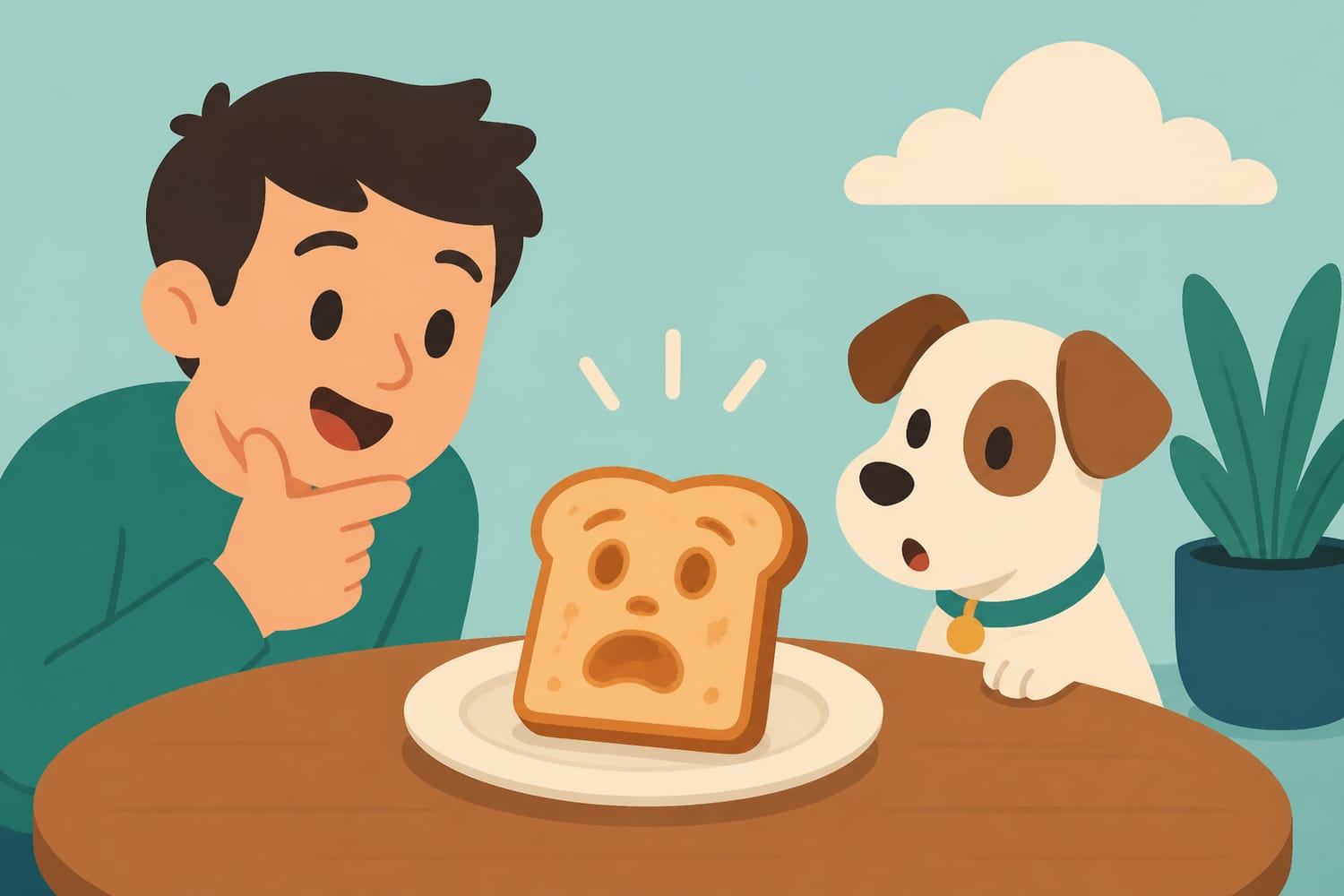
Pareidolia was borrowed from the German word “Pareidolie,” introduced by German psychiatrist Karl Ludwig Kahlbaum in 1866. The term combines the Greek prefix “para-,” suggesting something beside or beyond, with “eidōlon,” meaning “image” or “reflection.”
Pareidolia is primarily a term from psychology and the study of perception, but it is also used informally when discussing faces in clouds, figures in shadows, recognizable shapes in natural formations, and similar visual experiences.
The phenomenon is extremely common, but the word itself is used mainly in discussions of psychology, art, photography, unusual sightings, and visual illusions.
Seeing a smiling face in the front of the car was a charming example of pareidolia.
The supposed castle in the distant rock formation turned out to be a case of pareidolia.
Thanks to pareidolia, the patches of light and shadow on the wall looked like a sleeping cat.
Pareidolia is the wonderfully peculiar habit of finding familiar pictures in visual randomness. It explains why a cloud can resemble a dragon, a power outlet can appear surprised, and the Moon can seem to have a face. The term comes through German from Greek elements associated with images and was introduced by psychiatrist Karl Ludwig Kahlbaum in 1866. Although its name sounds technical, pareidolia is a normal feature of human perception rather than an illness. In short, it is your pattern-seeking brain enthusiastically connecting dots that may not really be connected.