-
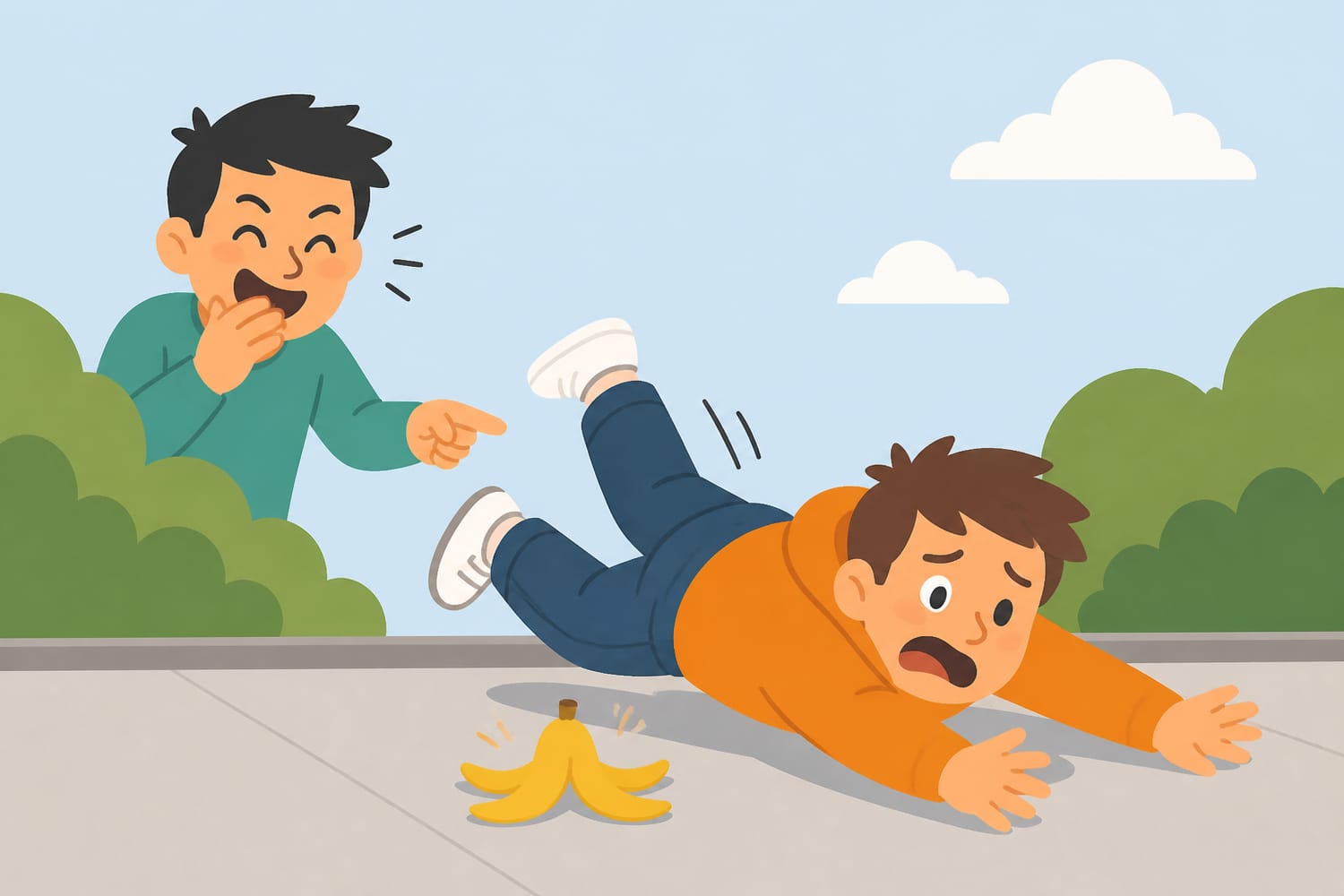
Pleasure or satisfaction felt because something unfortunate has happened to someone else.
synonyms:malicious gleegloating
Borrowed from German, where Schaden means “damage” or “harm” and Freude means “joy.” It appeared in English writing in the 19th century.
A general-interest word for conversation and writing, especially when describing a reaction to a rival’s embarrassment or setback. It is not a technical term.
Recognizable to many readers, but more likely to appear in commentary or storytelling than in everyday conversation.
Maya felt a flicker of schadenfreude when the coworker who mocked her presentation forgot his own slides.
The rival fans struggled to hide their schadenfreude after the league leaders lost.
He admitted to a little schadenfreude when his brother’s boastful prediction proved wrong.
Schadenfreude gives a name to the guilty little thrill of seeing someone else stumble. Its German parts mean “harm” and “joy,” which make the idea unusually easy to remember. You might feel it when a boastful rival makes a harmless mistake—even if you know you should be sympathetic. The word describes the feeling, not necessarily a wish to cause the trouble yourself.